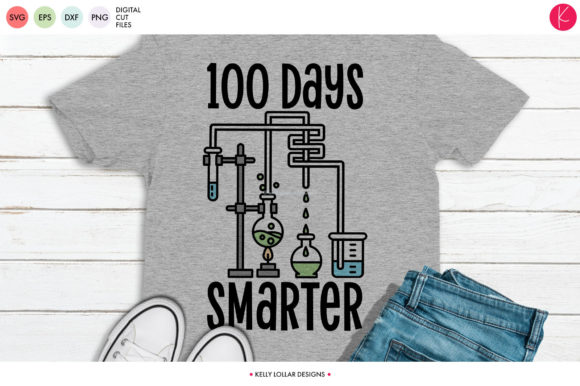
100 Days Smarter Science Experiment
A Clever and Engaging Design for the 100th Day of School
As an experienced embroidery designer, I was immediately drawn to the 100 Days Smarter Science Experiment design. This clever and engaging graphic is perfect for celebrating the 100th day of school, offering a unique blend of science and education that can make any project stand out.
First Impressions and Visual Appeal
The first thing that struck me about this design is its vibrant and playful nature. The theme of science experiments mixed with the 100th day celebration creates a fun and educational mood. The layout is well-balanced, with clear and detailed elements that are both visually appealing and easy to understand. The overall visual personality is energetic and inviting, making it a great choice for a variety of embroidery projects.
Real-World Embroidery Performance
When considering how 100 Days Smarter Science Experiment would perform in real-life embroidery situations, I envision it on a custom embroidered tote bag or sweatshirt. The design's bold and clean lines would translate well into satin stitch and fill stitch, providing excellent clarity and detail. For a more subtle look, a running stitch could be used, adding a delicate touch to the design.
- Tote Bags: The design would look fantastic on a tote bag, making it a perfect gift for teachers or students. The flat surface of the bag allows for a clean and even stitch, enhancing the design's visual appeal.
- Sweatshirts: On a sweatshirt, the design would add a fun and educational element, especially for children. The thicker fabric of a sweatshirt can handle the stitch density well, ensuring a durable and long-lasting finished product.
- Baby Clothes: For baby clothes, the design could be scaled down to fit smaller items like onesies or bibs. The gentle and playful nature of the design makes it suitable for nursery decor and personalized gifts.
Where to Use Carefully
While 100 Days Smarter Science Experiment is versatile, there are some areas where it should be used with caution. For example, small hoop sizes, textured fabrics, and stretchy materials may present challenges. Here are some specific considerations:
- Small Hoop Sizes: The design has several detailed elements that might not scale down well. Test the design on scrap fabric first to ensure it retains its clarity and detail.
- Textured Fabrics: Textured fabrics like corduroy or velvet can affect the stitch quality. Use a proper stabilizer and check the stitch density to ensure the design looks clean and professional.
- Stretchy Fabric: Stretchy fabrics like spandex or jersey can cause the design to distort. Use a cut-away stabilizer and reduce the stitch density slightly to prevent puckering.
- Dark Fabric: Dark backgrounds can make light-colored designs less visible. Choose thread colors with good contrast and consider using a white underlay to enhance visibility.
- Detailed Corners and Tiny Lettering: Small details and lettering require careful attention. Inspect these areas closely and adjust the design if necessary to ensure they stitch cleanly.
Enhancing Visual Appeal and Product Value
Using 100 Days Smarter Science Experiment can significantly enhance the visual appeal and value of your handmade products. The design's educational and fun theme makes it a standout choice for custom apparel, embroidered patches, and personalized gifts. It adds a unique and thoughtful touch, which can increase customer trust and engagement.
For Etsy sellers and small shop owners, this design can be a valuable addition to your product line. Consider creating printable mockups to showcase the design on various products, helping customers visualize the final result. Additionally, the design's versatility makes it suitable for both personal and commercial embroidery projects, but always check the licensing terms before selling finished items or digital products.
Practical Embroidery Designer Notes
Before using 100 Days Smarter Science Experiment in your next embroidery project, here are some practical tips:
- Test on Scrap Fabric: Always test the design on scrap fabric to ensure it meets your expectations and to make any necessary adjustments.
- Check Thread Color Contrast: Choose thread colors that provide good contrast against the fabric background to enhance visibility and clarity.
- Review Stitch Density: Adjust the stitch density as needed, especially for textured or stretchy fabrics, to ensure a clean and professional finish.
- Confirm Hoop Size: Make sure the design fits within your hoop size. If it's too large, consider scaling it down or breaking it into sections.
- Inspect Small Details: Pay close attention to small details and tiny lettering. Adjust these areas if necessary to ensure they stitch cleanly.
- Test in Black and White Mockups: Create black and white mockups to check the design's clarity and balance, especially on dark fabrics.
- Use Proper Stabilizer: Select the appropriate stabilizer for your fabric type to prevent distortion and ensure a smooth, professional finish.
In conclusion, 100 Days Smarter Science Experiment is a versatile and engaging embroidery design that can add a unique and educational touch to a wide range of projects. By following these practical tips, you can ensure that your finished products are of the highest quality, delighting both you and your customers.